


Artificial intelligence has quickly moved from being a futuristic idea to a technology people use every day. AI can help write content, answer questions, analyze information, create images, assist programmers, and complete tasks with limited human input.
But as AI becomes more powerful, another question is becoming increasingly important: How can we make sure AI is used safely?
This is where AI safety comes in.
What Is AI Safety?
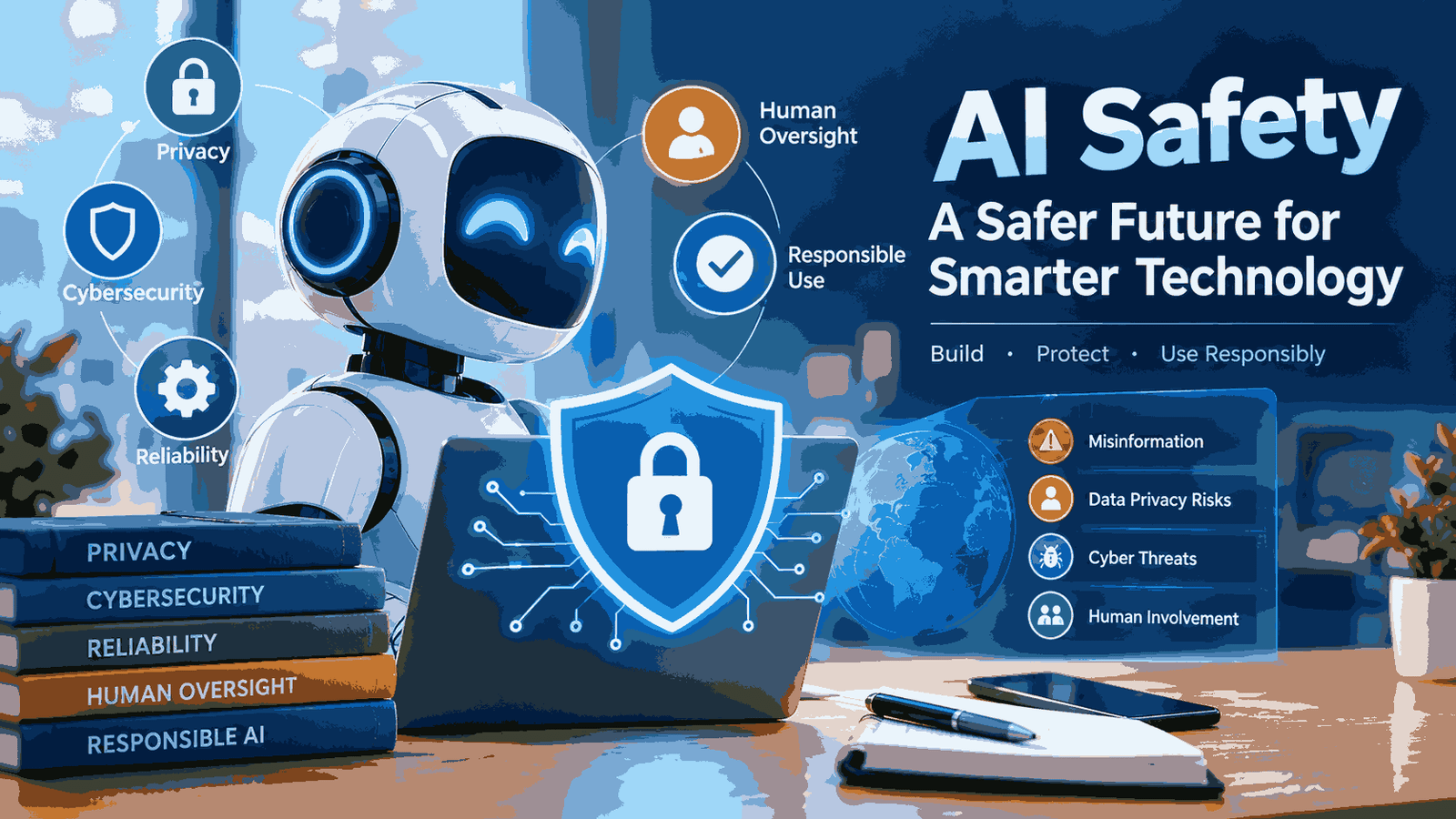
AI safety is about developing and using artificial intelligence in ways that reduce potential harm. It covers several areas, including privacy, cybersecurity, reliability, human oversight, and responsible use.
The goal is not to stop people from using AI. Instead, the focus is on making AI systems more reliable and reducing the chances of misuse, unexpected behavior, or harmful results.
Why Is AI Safety Important in 2026?
AI systems are becoming more capable of handling complicated tasks. One major development is the growth of AI agents.
Traditional AI tools may simply respond to a question. AI agents can potentially break a larger task into smaller steps, use different tools, search for information, and take actions with less human involvement.
This can save time and improve productivity, but it also creates new security concerns.
A September 2026 report from Anthropic discussed the use of AI in cyber operations, including activities such as reconnaissance and vulnerability research. The report highlights how increasingly capable AI systems can be used for both legitimate and harmful purposes.
AI and Cybersecurity
Cybersecurity is one of the areas where AI safety is particularly important.
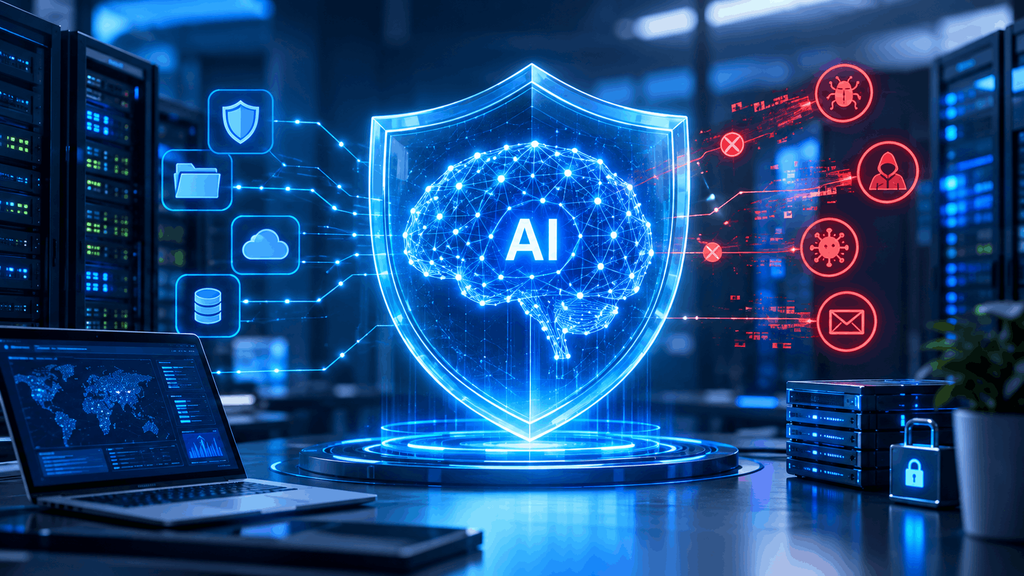
AI can help security teams identify suspicious activity, analyze large amounts of data, and find vulnerabilities more quickly. At the same time, similar capabilities can potentially be misused to automate parts of cyberattacks.
This creates an important challenge for technology companies. As AI becomes better at performing tasks independently, developers need to consider not only what a system can do, but also what could happen if its capabilities are misused.
AI-Generated Misinformation
Another growing concern is the spread of inaccurate or misleading AI-generated content.
Modern AI tools can produce convincing text, images, audio, and video. This can be useful for creative work, but it can also make it harder for people to distinguish genuine information from artificially created material.
For users, this means an AI-generated answer should not automatically be treated as a fact.
Checking important claims against reliable sources can help reduce the risk of spreading incorrect information.
Privacy Is Another Major Concern
AI tools often work with large amounts of information. Depending on the service, users may enter documents, conversations, business information, or other sensitive data.
That makes privacy an important part of AI safety.
Users should understand how an AI service handles their information before sharing confidential material. Businesses also need clear policies about what employees can and cannot enter into AI systems.
A simple rule is useful: if information would be risky to post publicly, think carefully before putting it into an AI tool.
The Role of Human Oversight
Human involvement remains important, particularly when AI is being used for sensitive or high-impact tasks.
AI can process information quickly, but it can still make mistakes, misunderstand context, or produce inaccurate results. Human review can help identify problems before they lead to serious consequences.
For this reason, responsible AI development often combines automated systems with appropriate monitoring and human oversight.
AI Testing Is Becoming More Important
Before powerful AI systems are widely deployed, developers need to understand how they behave under different conditions.
Testing can involve checking whether a model follows instructions correctly, handles sensitive requests appropriately, protects private information, and behaves safely when users attempt to misuse it.
Continuous monitoring is also important because AI systems may interact with changing software, users, and online environments after they are released.
AI Safety in Businesses
Businesses are increasingly using AI for customer support, marketing, coding, research, data analysis, and other tasks.
However, introducing AI into a workplace also creates new responsibilities.
Companies may need clear rules about data protection, human approval, access permissions, and how employees should use AI-generated information.
For important business decisions, AI can assist employees, but human review can help ensure that errors are caught before they become costly problems.
What Can Everyday Users Do?
AI safety is not only the responsibility of large technology companies. Individual users can also take simple precautions.
Before using an AI tool, avoid sharing passwords, financial details, private documents, or other sensitive information unless you understand how the service protects that data.
It is also a good idea to verify important AI-generated information, especially when dealing with financial, legal, educational, or other important decisions.
Using strong passwords and two-factor authentication can provide another layer of protection for online accounts.
Users should also be careful when clicking links, downloading files, or following instructions generated by unfamiliar AI systems.
Why Responsible AI Development Matters
Building a powerful AI model is only one part of the challenge. Developers also need to think about how people will use that technology in the real world.
Responsible development can include security testing, access controls, monitoring, transparency, and processes for responding when something goes wrong.
The exact approach can vary depending on the AI system and what it is designed to do. A tool that creates a simple image may require different safeguards from an AI system that can access business software or operate computer systems.
What Does the Future Look Like?
AI development is unlikely to slow down. New models and AI-powered tools will continue to become more capable and more common.
That means safety practices will need to develop alongside the technology.
Companies, researchers, and policymakers are paying increasing attention to issues such as AI security, privacy, autonomous systems, and responsible deployment.
The future of AI will therefore depend not only on how capable these systems become, but also on how carefully they are designed, tested, monitored, and used.
AI Safety and Innovation Can Work Together
AI safety does not have to mean choosing between progress and protection.
Well-designed safeguards can actually make people more comfortable using AI in schools, workplaces, healthcare, businesses, and everyday applications.
When users understand the limitations of AI and developers take security seriously, the technology can be used more responsibly.
Final Thoughts
Artificial intelligence has enormous potential to improve the way people work, learn, create, and solve problems. But greater capability also brings greater responsibility.
AI safety is about finding the right balance between innovation and protection.
As AI becomes a bigger part of our digital lives, users will need to understand not only what AI can do, but also where its limitations and risks are.
The safest future for AI will come from a combination of better technology, responsible development, strong security practices, and informed users.
Official website: Anthropic
For more technology insights and updates, explore Chavaiz. If you’re interested in cybersecurity and AI-related careers, check out our guide to CIA Cyber Threat Analyst Job for more information.